The Other Animal Farm: Jordan Moir’s Satirical Novel Explained

The Other Animal Farm novel is a title that behaves strangely in a search engine. Type it in and the results do not settle on a single book, venue, or organisation. They fan out into pages about George Orwell, his 1945 novella Animal Farm novel, its plot, its characters, and its allegorical reading of Soviet history. That mismatch is the first thing worth understanding about the phrase, and it shapes everything else in this article.
What the available material does show is a forthcoming book titled The Other Animal Farm by Jordan Moir. Everything beyond it, including plot, format, and release timing, is not documented in the search results currently circulating for the title. So this article does two jobs: it explains what readers are most likely to find when they search the phrase, and it separates that from what is actually known about the Moir book.
Why the Search Results Do Not Match the Title
A search for “The Other Animal Farm” returns results primarily about Orwell’s novel rather than a clearly identified separate work or place bearing that name. The visible organic results and extracted page content concern Animal Farm novel itself: its story, its characters, and what it is generally understood to mean.
That is not a glitch. It is what happens when a new or forthcoming title borrows the shape of a famous one. Search engines have decades of material about Orwell and comparatively little about a book that has not yet built a public footprint. The keyword, in other words, currently belongs to Orwell by default.
It also means readers should be cautious. Nothing in the available material confirms an author, publication date, location, address, opening hours, prices, or policies for any distinct entity called “The Other Animal Farm.” Anyone presenting those details as established fact is working beyond what the sources support.
What Orwell’s Animal Farm Actually Contains
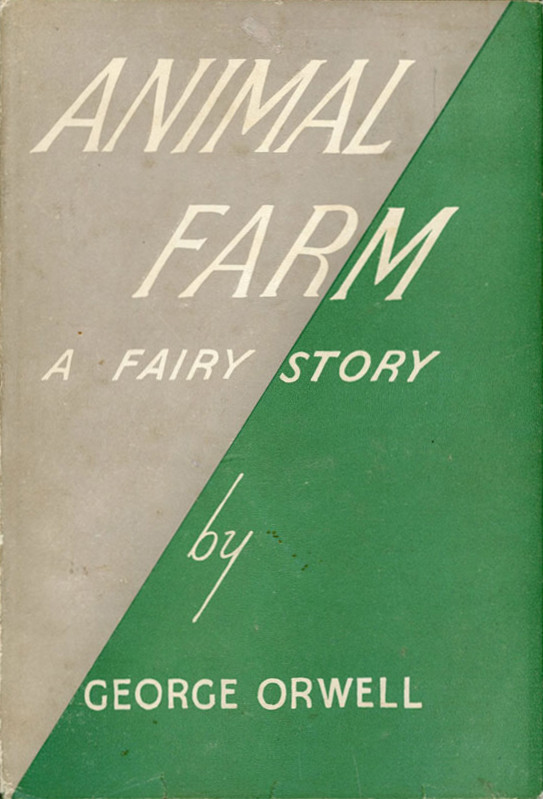
Because the search results lead there, it helps to know the ground the keyword keeps landing on. According to moneymuseum.com, Orwell’s Animal Farm novel was published in 1945. The story follows farm animals who rebel against their human owner and then watch their ideal of equality get corrupted by the pigs who take power.
The sequence, as described across the sources in the pack, runs roughly like this:
-
Old Major rallies the animals at a meeting and dies three days later, according to Erin’s Homepage.
-
The animals are initially led by the pigs Napoleon and Snowball, and they chase the farmer, Jones, off the land.
-
With the humans gone, the animals rename the property Animal Farm, and things prosper for a while.
-
Napoleon turns attack dogs on Snowball and drives him off the farm, after which Napoleon takes control and oppresses the other animals.
-
At the close, the other animals see Napoleon dining with a neighbouring human farmer and understand that the farm is no longer what it was.
The pigs build a philosophy called Animalism and set out laws. Among the rules recorded by moneymuseum.com: four-legged creatures and birds are friends, two-legged creatures are enemies, no animal should drink alcohol, wear clothes, or sleep in a bed, and all animals are equal. The pigs then adjust those laws to suit themselves, abuse their privileges, and Napoleon ends up as a dictator.
The Line Everyone Remembers
The Animal Farm novel contains the statement that has outlived almost everything else in it: “All animals are equal, but some are more equal than others.” That is the wording given by moneymuseum.com.
Erin’s Homepage offers a variant, describing the Seven Commandments as erased except for a line reading “All animals are created equal, but some animals are move equal than others.” The typographical slip in that version is worth flagging rather than repeating as though it were the published text. The standard quotation is the shorter one, and the source of the alternate wording is a personal educational page, not a publisher.
The full list of the Seven Commandments is not reproduced in the extracted material available here. Only partial laws and the altered final line are documented, so any article claiming to give the complete original set from these sources would be filling gaps.
The Historical Allegory, Mapped
Animal Farm novel is widely described as a parable or allegory about the history of the Soviet Union and Russian communism under Stalinism, including the Russian Revolution of 1917. The character correspondences given by moneymuseum.com are specific and worth setting out plainly.
|
Character or group |
Historical figure or force |
|---|---|
|
Old Major |
Lenin and Marx |
|
Napoleon |
Stalin |
|
Snowball |
Trotsky |
|
The dogs |
A secret police |
|
The hens |
Rebellious peasants |
|
Mr. Frederick |
Adolf Hitler |
That mapping explains why the book is read as political satire rather than as a story about livestock. The animals’ initial idealism, the erosion of the rules, and the final dinner scene all function as commentary on how revolutionary promises can be rewritten by the people who end up holding power.
Where Jordan Moir’s Novel Fits
The Other Animal Farm by Jordan Moir as a forthcoming book. That is the extent of what the currently available material establishes.
There is no confirmed publication date, no confirmed plot summary, no confirmed format, and no confirmed retailer or distribution information in the sources reviewed here. Readers who want specifics should check out the author’s personal site rather than rely on secondary pages, since a forthcoming title’s details change as production progresses.
It is also important not to assume a relationship that has not been stated. Nothing in the available material identifies the Moir book as a sequel, a retelling, an adaptation, or an official companion to Orwell’s novella. The titles are similar. That similarity is real and worth noting. It is not evidence of a connection.
What the Title Itself Signals
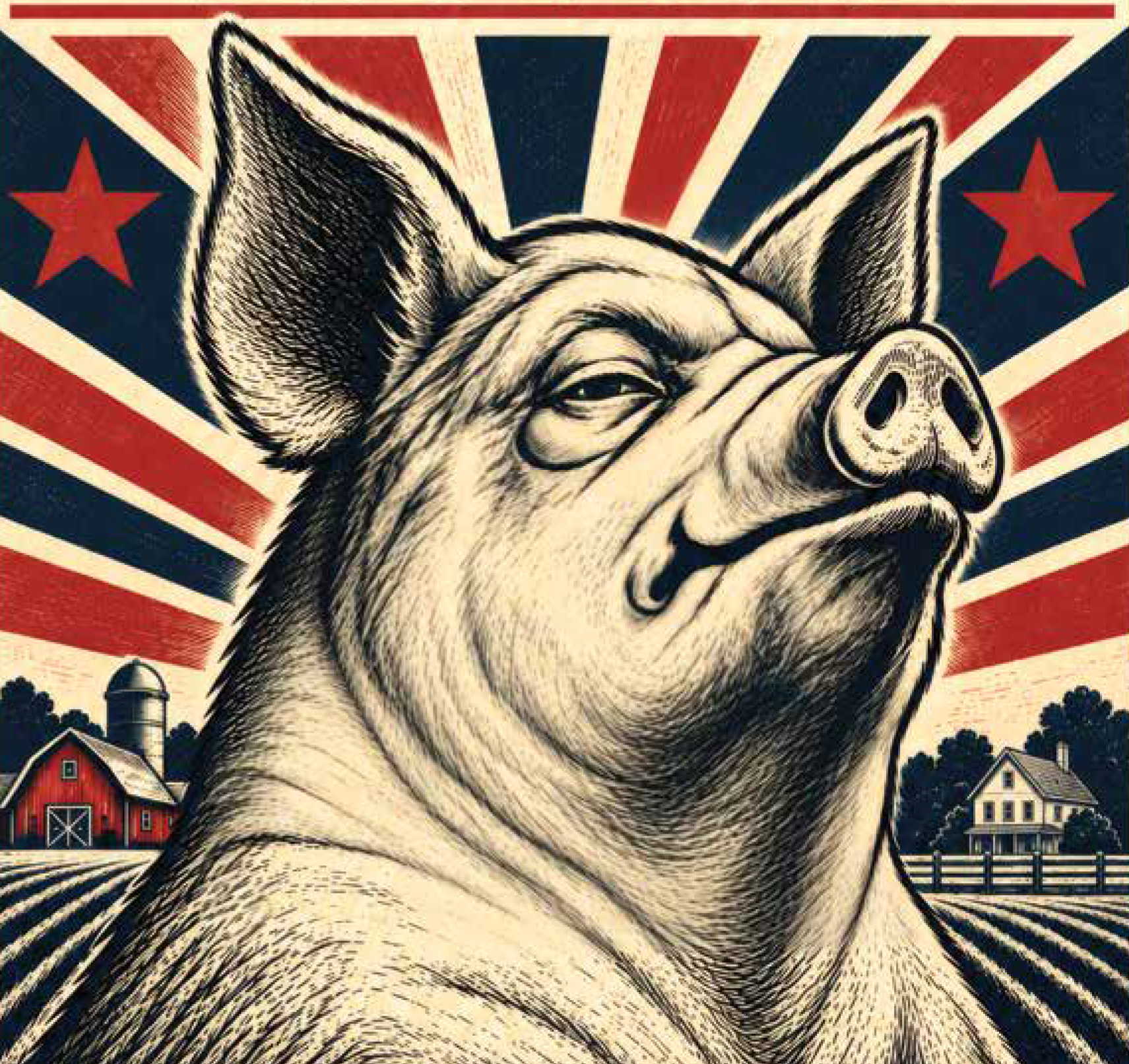
Reading the title as a piece of positioning is reasonable, as long as that reading stays speculative. “The other” implies a counterpart: a second farm, a parallel version of a familiar story, or a perspective the original left out. Pairing that construction with a word as loaded as “Animal Farm” invites comparison to Orwell whether or not the author intended it.
Satire, in the tradition Orwell’s novel belongs to, tends to work by taking a system at its most idealistic and following it until the contradictions show. If a novel sets itself beside that tradition, readers will arrive expecting the same movement: promises made, rules bent, power consolidated.
Those are expectations, not descriptions. Until the book’s own text or a publisher’s synopsis is available, any claim about its plot, targets, or setting is guesswork dressed up as commentary.
Reading Orwell First Is Still the Sensible Move
For anyone curious about the Moir title because of its echo, the practical starting point is the original. Orwell’s novella is short, and the sources summarised here give enough scaffolding to read it with the allegory in view. Watch the rules change. Watch which animal benefits each time a commandment is quietly amended. Watch what happens to the animals who work hardest.
That reading makes the title’s resonance clearer and also makes it easier to judge, later, what the new book is actually doing with the inheritance. Satire depends on a reader who knows the target.
What to Verify and Where
Three things are worth confirming with primary sources as the release approaches. First, the book’s own description from the publisher, which will settle genre, length, and subject. Second, a confirmed release window, which no source in the current pack provides. Third, any statement from the author about the Orwell relationship, whether homage, argument, or coincidence.
Until then, the honest summary is short. “The Other Animal Farm” novel currently points search engines at Orwell’s 1945 novel because that novel dominates the phrase. It also names a forthcoming book by Jordan Moir, listed by Sleepy Bird Studio, about which little has been published. The gap between those two facts is where most of the confusion lives, and it will close on its own once the book has a public description of its own.
